This fall, Monmouth Conservation Foundation is joining communities across New Jersey in celebrating the first-ever NJ Climate Week, a statewide, community-led initiative that brings people and organizations together to learn, connect, and take action around climate resilience and sustainability. NJ Climate Week describes itself as a “commons for New Jersey climate action,” connecting organizations already doing climate work and helping local efforts reach a wider audience. It has been held annually in New York since 2009, and since then, the Climate Week Network has begun to expand nationwide.

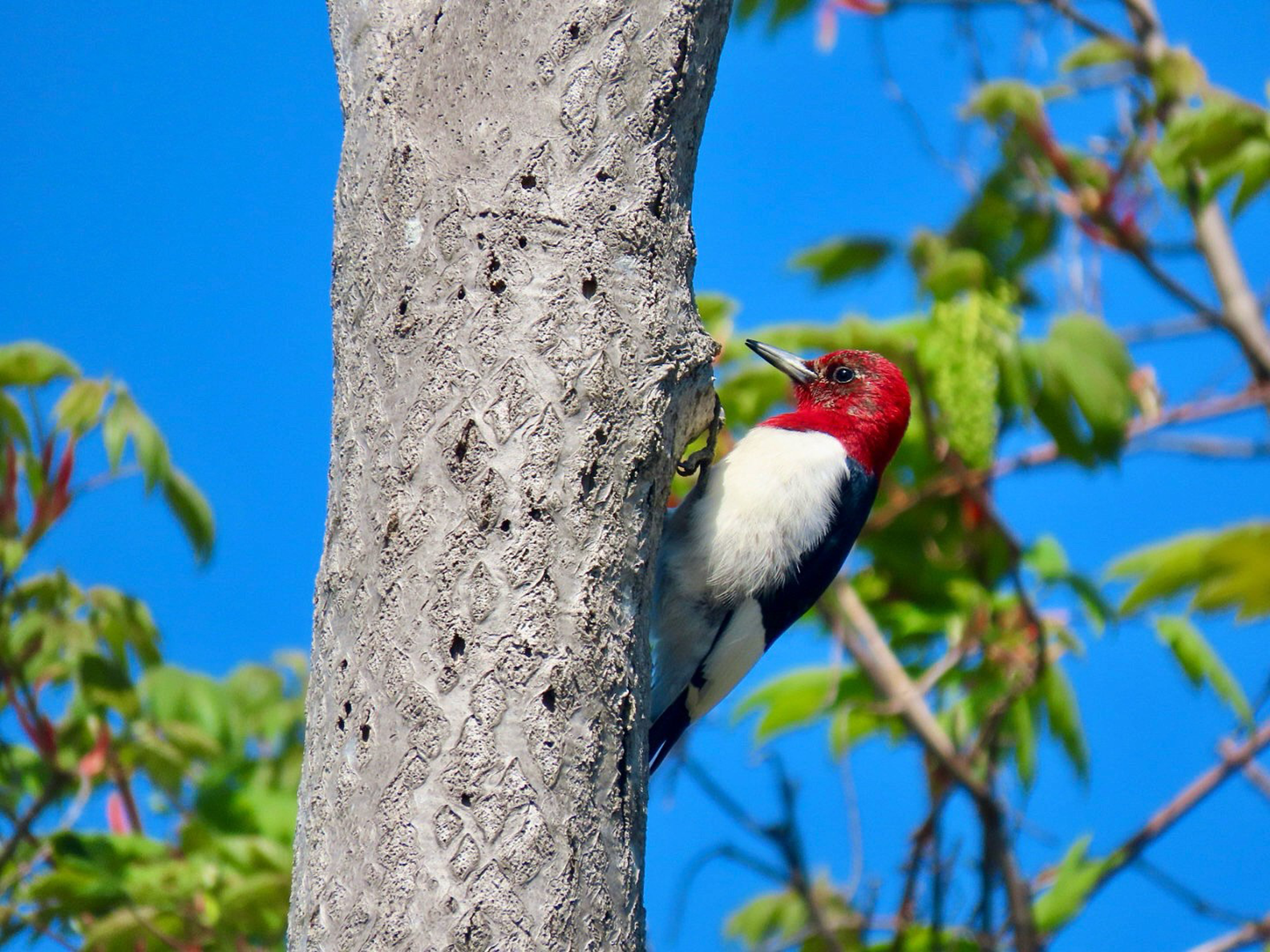
For MCF, climate action is incorporated into everything we work towards. Protecting open space, restoring habitat, safeguarding waterways, and connecting people with nature are all part of building healthy, climate-resilient communities. MCF’s ongoing habitat restoration work at Scudder Preserve offers a tangible example of what climate resilience can look like on the ground. This year, wood ducks successfully hatched from one of the preserve’s nest boxes, a sign that intentional habitat restoration is supporting native wildlife. The forests, wetlands, meadows, ponds, streams, and trees at Scudder Preserve do more than provide habitat for wildlife and places to explore. These natural systems store carbon, help moderate temperatures, slow and absorb stormwater, and protect healthy soil.

The preserve’s newly installed bioswales are another example. Designed to slow and absorb stormwater runoff, they will be planted with native flowering plants that support pollinators and other wildlife. Together, these projects demonstrate how thoughtful stewardship can strengthen ecosystems while helping landscapes adapt to a changing climate.

Climate action can sometimes feel like a big, complicated challenge. But conservation reminds us that meaningful change comes from intentional actions that can seem small at first. At Scudder Preserve, every native plant, nest box, and protected acre contributes to a healthier landscape. Those individual efforts add up to stronger ecosystems and climate resilient communities.
Join MCF for NJ Climate Week
In collaboration with NJ Climate Week, MCF is offering two opportunities to celebrate at Scudder Preserve, including a guided tour of our habitat restoration efforts and a family-friendly climate solutions scavenger hunt. Space is limited, so visit our event calendar to register!
Making Every Week Climate Week
You don’t have to wait for NJ Climate Week to take action in your own communities. Below, MCF has shared a few ways to keep the spirit of Climate Week with you all year:
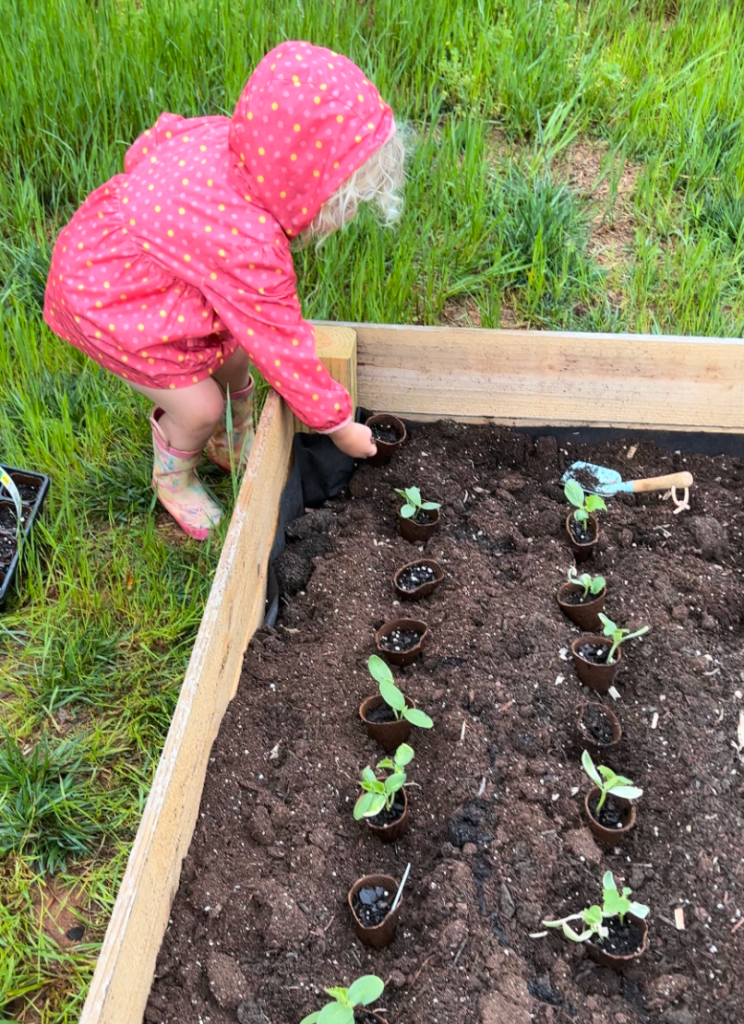
Plant native plants to provide food and habitat for pollinators and wildlife.
- Protect tree health and plant new ones where appropriate. Trees provide shade, store carbon, and help cool our communities.
- Reduce stormwater runoff by adding a rain garden, planting beds, or other permeable surfaces where possible.
- Leave the leaves where you can! Leaf litter returns nutrients to the soil and provides important over-winter habitat for native insects and other wildlife.
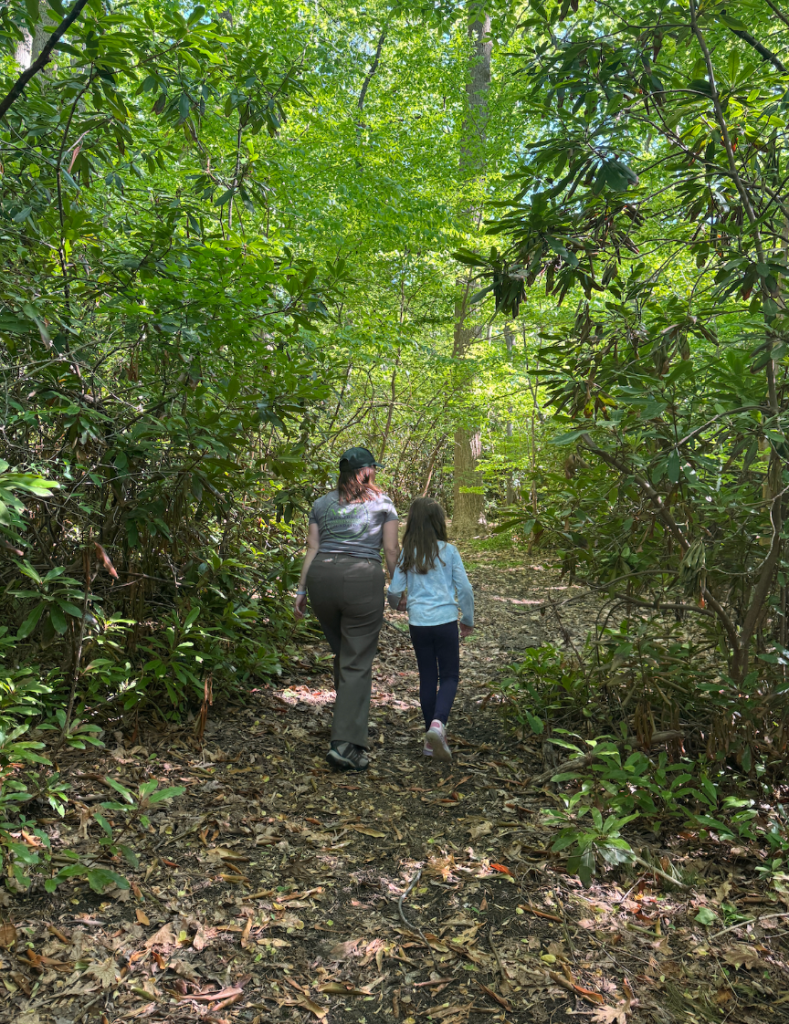
- Spend time outside and get to know the natural places in your community. The more we understand and value our local ecosystems, the more we protect them.
- Support local conservation by volunteering, attending an event, or donating to organizations working to protect and restore natural areas.
Protecting the places we love is one of the most meaningful ways to invest in the future of Monmouth County. Together, we are working to #KeepMonmouthGreen.