
Our Services
MCF helps residents, landowners, and municipalities preserve the lands that are important to their communities. Here are some ways we have helped local governments and their residents to accomplish their land preservation goals:
Understanding Funding Options
We are experts in applying for grants from Green Acres, State Agriculture Development Committee, Monmouth County (Open Space Grant program), Federal, and private foundations and private individuals. Our staff can assist you to identify and apply for funding based on the specific need of your projects.
Landowner Outreach
We are skilled in speaking with landowners of targeted properties on behalf of government entities in order to assess landowners’ needs and goals. The initial contact may be better received by the landowner and developed by a nonprofit rather than the government. For example, if a municipality is interested in purchasing a piece of land to expand existing recreation areas, MCF can contact the landowner on behalf of the municipality.
Acquisition Negotiations & Due Diligence
We can help negotiate a suite of real estate transactions on behalf of the municipality. For example, negotiating a bargain sale for a Green Acres project can benefit both the buyer and the seller. We can perform the due diligence (appraisal, phase 1 and 2) survey. We can review purchase agreements to conform with grantor requirements.
Easement Monitoring
We have specialized staff trained to conduct routine monitoring for municipal conservation and farmland easements, which require regular monitoring. We are also experts in dealing with easement issues when they arise.
Fundraising
We are an accredited nonprofit that is well-equipped and trusted to solicit, hold, and maintain private funds. This is often helpful in raising money to fund projects.
Open Space Tax Guidance
Sometimes a municipality needs expertise to pass or increase the open space tax (or issue bonds). We can help provide guidance to educate residents about the importance of the effort.
Resident and Student Education
We offer programming for adults and school age children to learn more about conservation.
How It Works
MCF works with you to determine what preservation options are best for each unique parcel of land.
Understand Your Goals
As in any new relationship, communication is the key to success. As a first step, we want to understand your needs and goals for your land. There are a number of different available options that are dependent on your unique situation. We will also advise you to speak with your family, attorney and tax adviser when considering the best option for you.
Learn More About Your Land
Before proceeding, we must be sure your property aligns with our preservation goals. Goals depend on the type of preservation. For example, if good agricultural soils exist, farmland preservation may be best, or if adjacent to already preserved land, open space for wildlife habitat may be best.
Determine The Value
If approvals are granted by the appropriate agencies, two appraisals will be ordered to determine the value of the land or easement. Once appraisals are received and reviewed a value is certified. If you are donating the land or selling it at a reduced value (bargain sale), the IRS requires the landowner to order an appraisal to value the property for tax purposes.
We Make An Offer
Whether the land or an easement is being purchased, an offer will be made to you. If the offer is accepted we will enter into a contract of sale.
Determine Easement Agreement
Together we negotiate the restrictions and draft the easement with respect to your needs and the conservation needs of the land. No two easements are alike, just like no two pieces of land are the same.
Conduct Legal Research
Property history and title information is researched by our attorney. A survey is prepared for the easement (donation or sale) or land to be sold. We work together with you and your advisers on the legal aspects of the conservation easement.
Board Approval
The Monmouth Conservation Foundation Board of Trustees reviews, discusses, and votes to approve all easements and land
Sign The Agreement
As in any real estate transaction, both parties agree to a legal document and a closing is held. Both parties sign and record the easement or transfer the deed if the land is being sold completely.
Continue To Enjoy Your Land
In the case of an easement sale, you retain the right to live on, work, farm, hunt, fish, restrict access and pass down your land to your heirs with the conservation easement permanently in place. This is a great option for those who want to continue to live on the land.
We Keep In Touch
Applicable only for easement agreements. One of the primary responsibilities of a land trust is to ensure that the conservation easement agreements are being followed. Therefore, we visit your land each year to document any significant changes. We arrange a time that works for you and walk the property together.
Preservation Options
There are a variety of ways to preserve your land. Let MCF help you decide what option meets your goals.
Questions To Ask
- Do you want to continue to own your land or pass it on to a family member?
- Do you want to continue to live on your land?
- Are you interested in donating your land?
- What is it about your land that is important to you?
- Does the entire parcel need to be preserved in order to maintain the property’s unique values?
- Do you need the future flexibility to build a home on the land?
- Are you concerned about future estate taxes or present income taxes?
- Do you need to receive financial compensation to accomplish your goals?
- How much of your land’s value is due to appreciation during your ownership?
Conservation Easements
A legal agreement that permanently limits uses of the land in order to protect specific conservation values and prohibit certain activities that would harm those values. Conservation easements offer private landowners flexibility in protecting their land. As a landowner, you own a bundle of rights associated with your land.
Land Donation
Donating land for conservation is one of the finest legacies you can leave for future generations. This option may be attractive to landowners who:
- Own land with significant conservation values and who do not have heirs who will protect those values
- Own property that they no longer use
- Own highly appreciated property and the sale of which would result in high capital gains taxes
- Have substantial real estate holdings and wish to reduce estate tax burdens
- No longer want to be responsible for managing land they own, but still want to treasure and enjoy it
A donation of your land provides several benefits. It releases you from the responsibility of managing the land while providing a substantial income tax deduction and estate tax benefits. It will also be permanently conserved.
Donation or Easements By Will
Some landowners prefer to continue to own and control their land during their lifetime, but still wish to see their land preserved and cared for after their passing. This can be accomplished by leaving your land or an easement to a land trust in your will. Removing the land from your estate reduces estate and inheritance taxes.
Life Estate
If you wish to continue to live on your land, you can donate or sell your property and reserve the right to continue to live on the property through your lifetime. With a life estate you can continue to enjoy your land while gaining assurance that your land will be preserved forever.
Selling Land at Fair Market Value
Selling your land for preservation may seem like an obvious way to preserve it. Unfortunately, land trusts such as Monmouth Conservation Foundation have limited funds available for land purchases and when able to purchase at fair market value, it is for land with significant conservation values.
Bargain Sale
An alternative to fair market value sale is a bargain sale where the land is sold at less than fair market value. A bargain sale gives the landowner the benefit of income while still offering the tax-reducing benefit of a donation. The difference between the land’s appraised value and its sale price is the donation amount that can be claimed as a tax deduction.
Installment Purchase
With an installment purchase, the landowner agrees to accept a series of payments over time as opposed to one lump sum payment. This gives both the landowner and the land trust the advantage of spreading the income out over a number of years.
Option to Purchase
If a landowner is interested in selling their land, and the land trust does not have the funds to purchase it immediately, an option agreement can be used. This agreement would give the land trust a specified amount of time to exercise the option to purchase the land. During this period, the land cannot be sold to any other buyer.
Right of First Refusal
If a landowner is not ready to sell their land, a right of first refusal can be granted to a land trust. When the landowner decides to sell their land, the owner must offer the land to for sale to the land trust before selling to a third party.
Contact us for more information at info@monmouthconservation.org
Explore More at MCF.
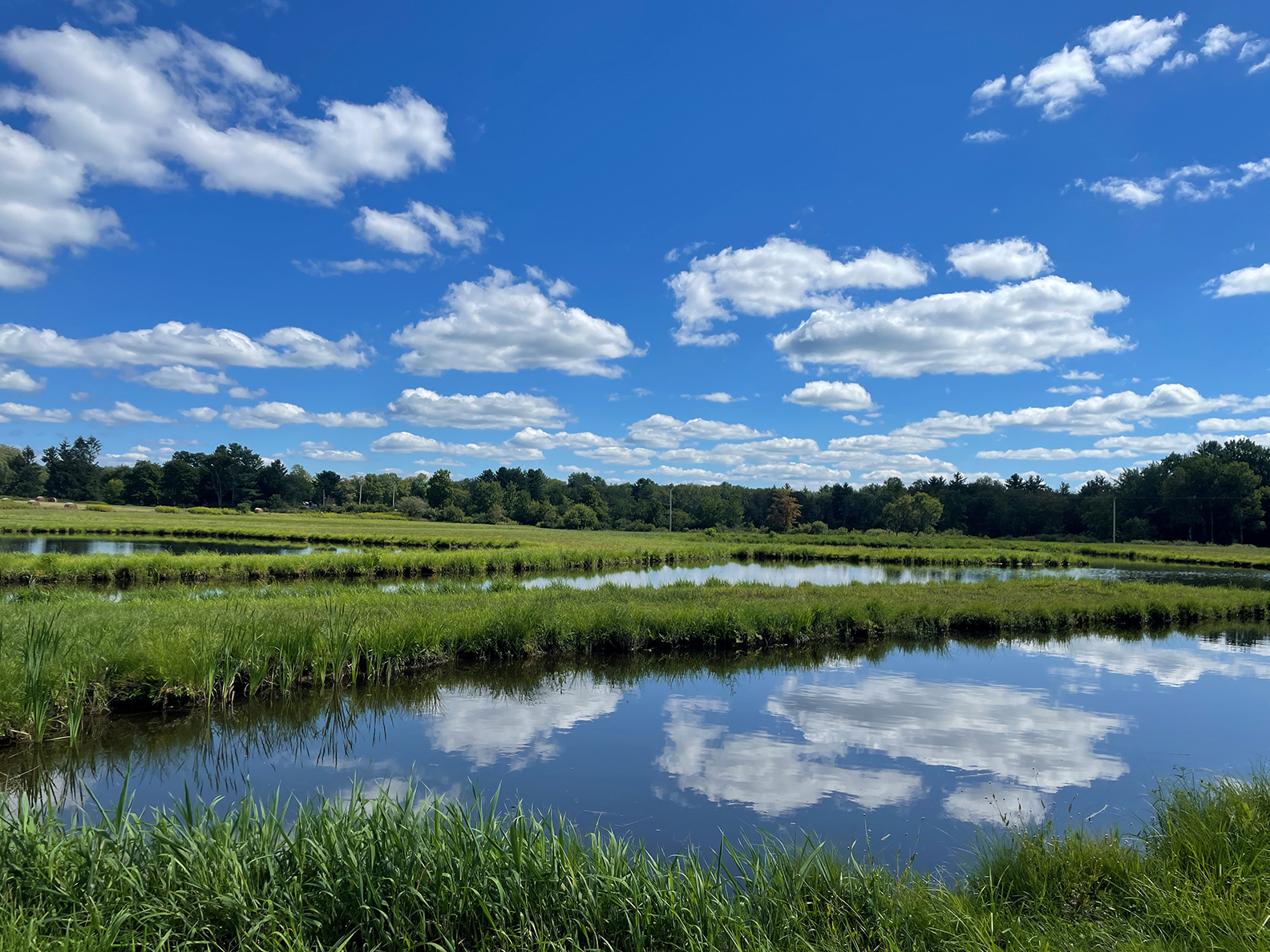


Featuring photography by: Fred Yahn, Jena Cosimo, Angie Lambert, Karen Keene, and Kathy Buchan.