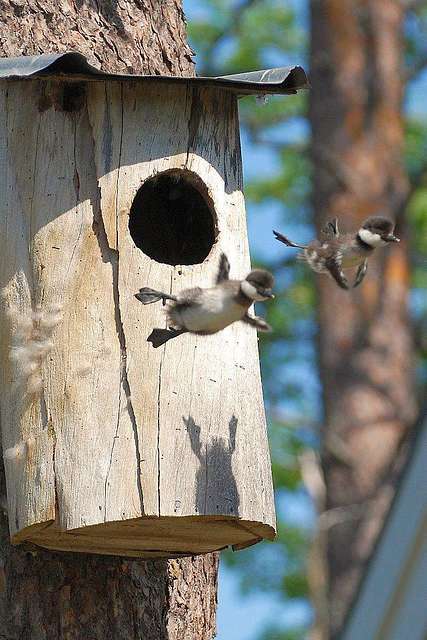
This spring, a clutch of wood ducks (Aix sponsa) hatched from a nest box carefully placed in a hidden tree at MCF’s Scudder Preserve. Wood duck hatchlings are known for their dramatic exits from cavity nests high in the treetop, counting on leaf litter to break the drop – sometimes as far as fifty feet – to earth. While we left the ducklings’ great debut to the safety and privacy of a quiet woodland, MCF staff and conservation partners celebrated this sign that habitat restoration at Scudder Preserve is working.
“Moments like these are the result of the intentional conservation efforts taking place at Scudder Preserve. We’re working to support the populations and biodiversity of native wildlife across Monmouth County,” Jena Cosimo, MCF’s Director of Acquisitions, shares. “By protecting and nurturing habitat for native wildlife, we help restore the balance and resilience of the whole ecosystem.”
Wood ducks nest in tree hollows to escape predators on the ground and avoid the fluctuating water levels of the wetland areas they prefer. They rely on tree hollows left behind by woodpeckers, falling branches, and decaying wood. But when ecological disruptions reduce those cavities, wood ducks have nowhere to nest. This is one of the reasons why habitat support, like the nest boxes MCF intentionally placed around Scudder Preserve, are so helpful.
Despite its reputation as the Garden State, the loss and fragmentation of habitats are growing issues in New Jersey. Preserving the green spaces we have left is a critical first stage of MCF’s mission. Once the land is preserved, thoughtful stewardship, including land monitoring and habitat restoration, ensures the long-term health and viability of these spaces.
A great deal of ecosystem support is taking place at is taking place at Scudder Preserve, thanks in part to grants from NJR and the American Water Charitable Foundation, and critical seed funding from generous donors. This financial capacity supported MCF hiring Keith Clayton as Scudder Preserve’s Stewardship Manager, in addition to expanding habitat enhancement efforts throughout the preserve.

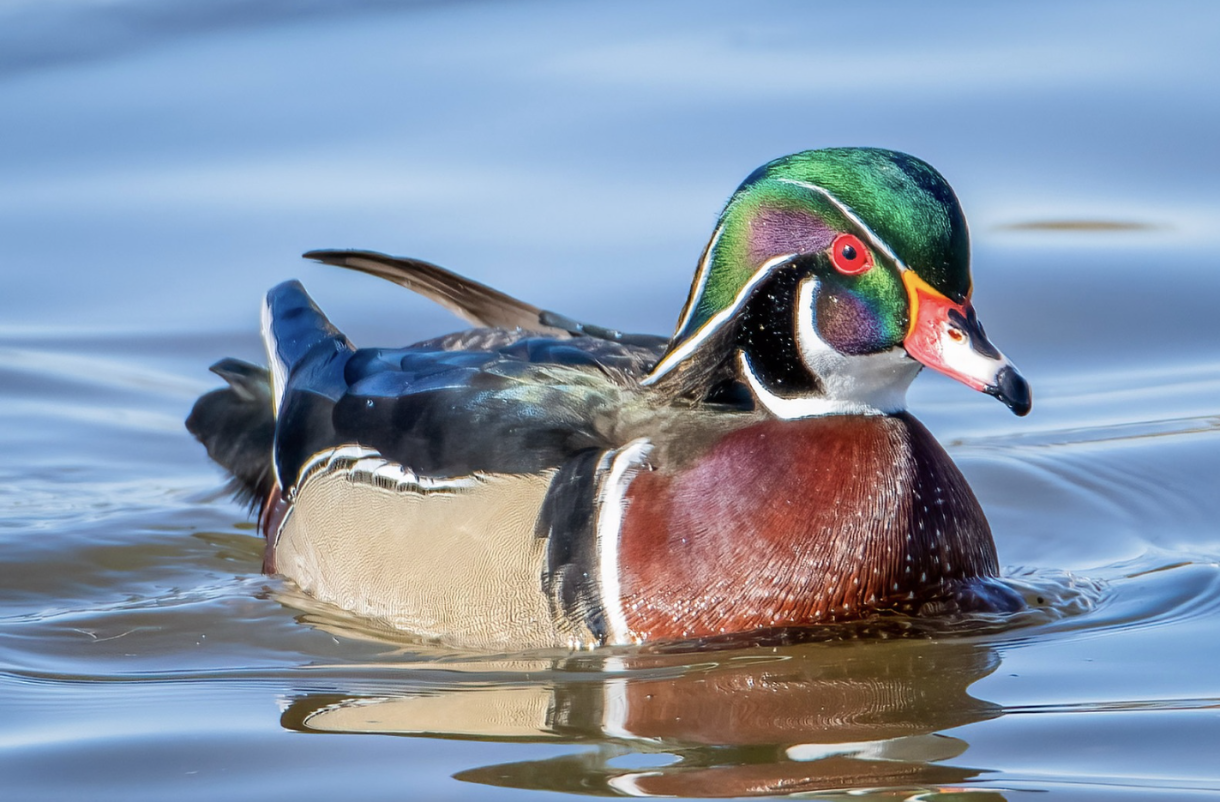
Photo by Emilee Carton, Jersey Shore Wildlife Photography.
One of Scudder Preserve’s most valuable partnerships is with local conservation nonprofit Field to Flight Foundation, an organization specializing in wildlife conservation and sustainable agriculture. Field to Flight supported MCF with the installation of nest boxes for cavity-nesting birds like wood ducks and American kestrels (Falco sparverius). These simple structures help replace the natural tree cavities that have become increasingly scarce as forests are fragmented. “Nest boxes are an amazing tool for land managers,” Keith Clayton explains. “As New Jersey continues to develop, we lose native cavity-nesting species. Nest boxes help fill that gap and give wildlife a place to raise their young. Wood ducks are typically a skittish species, so seeing them choose to nest here is a great indication of good habitat,” Clayton says. “It’s always exciting to see a successful nest, but knowing it’s happening because of intentional conservation work makes it even more rewarding.”
While wood ducks may be among the preserve’s most colorful residents, they are just one of many native species that benefit from carefully managed forests, wetlands, meadows, and connected natural landscapes. American kestrels and Eastern bluebirds (Sialia sialis), tree swallows (Tachycineta bicolor), and northern house wrens (Troglodytes aedon) have also benefitted from Scudder Preserve’s nest boxes, in addition to the countless species who rely on the healthy wetlands, vernal and annual ponds, meadows, woodland, and old growth forest habitats.


Scudder Preserve represents the kind of long-term conservation that extends well beyond protecting acres on a map. Every invasive species removed, every native plant restored, every trail thoughtfully maintained, and every nest box installed strengthens the ecological foundation that wildlife depends on. When Monmouth County communities prioritize the preservation of connected open spaces, they create safer corridors where birds, mammals, amphibians, pollinators, and countless other species can move, live, and adapt to our constantly changing world. These restoration efforts support biodiversity today while helping habitats remain resilient in the long term.
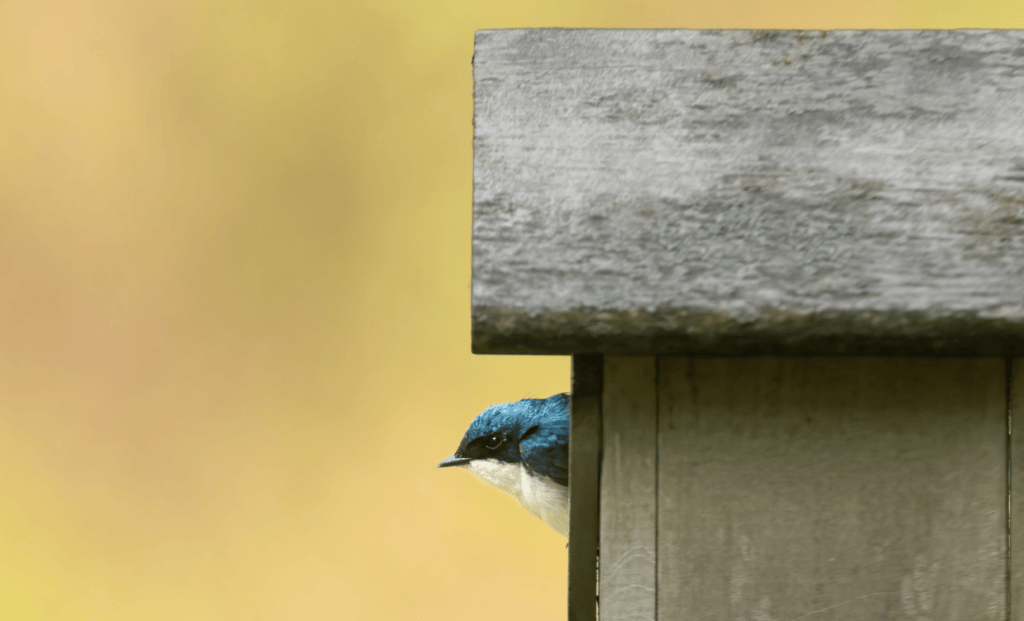
Photo by Emilee Carton, Jersey Shore Wildlife Photography.
The ducklings that quietly leapt from their nest box this spring are a reminder that conservation success often begins with small, intentional actions. With continued investment in habitat restoration and stewardship, those actions grow into thriving forests, healthier wetlands, and stronger ecosystems that benefit both wildlife and our communities. To help MCF continue restoring and caring for places like Scudder Preserve, visit our website to learn more, support our stewardship efforts, or make a gift. Together, we can ensure that more moments like this continue to unfold across Monmouth County’s natural landscapes.