Monmouth Conservation Foundation is proud to announce that Scudder Preserve has officially been accredited as an arboretum through ArbNet, the world’s leading network of arboreta and tree-focused public gardens.


An arboretum is a living museum dedicated to the cultivation, study, conservation, and public education of woody plants. ArbNet’s accreditation program requires organizations meet high professional standards for tree collections, stewardship, and public engagement. Since launching in 2011 through The Morton Arboretum, ArbNet has accredited more than 800 arboreta in over 40 countries, connecting institutions that are committed to protecting tree diversity and inspiring appreciation for the natural world.
The property was originally purchased by the visionary Scudder family around 1950. They recognized the ecological value of the land, which rests against Huber Woods and the nearby Navesink River, and falls along the Atlantic Flyway. The Scudder family nurtured the property for years with the aim of preservation. For Jean Scudder, the arboretum accreditation has deep personal meaning. “My family and I are so pleased to learn that the Scudder Preserve in Navesink is being recognized for its unique and unusually beautiful trees and plant life. We Scudders loved that beauty as we lived through our childhoods and the 70 years our family owned the property. My mother and father, Richard and Elizabeth Scudder, originally bought the land because of the trees. They recognized how special it was, worked to nurture it, and loved it wholeheartedly. They would be so very happy to know the land will continue to be cared for and appreciated.”

For MCF, the designation is an exciting milestone in our organization’s ongoing stewardship of Scudder Preserve. “The Scudder Preserve Arboretum represents the intersection of history, horticulture, and conservation for MCF,” said Keith Clayton, MCF’s Stewardship Manager, who led the accreditation process. “ArbNet accreditation affirms our commitment to preserving the Scudder family’s legacy while building a living collection that inspires stewardship and showcases the incredible diversity of New Jersey’s native species.”
Among the preserve’s most-loved tree species are the majestic Eastern white pines, planted in the late 1970s. These long-lived trees can eventually reach nearly 190 feet tall. Their needles grow in distinctive bundles of five, making them easy to identify, and many Indigenous communities recognize the Eastern white pine as the “Tree of Peace” because they were used as neutral locations for inter-Tribal gatherings.


Eastern white pine photos by Tara Kerr.
Scudder Preserve’s century-old forest is also home to stately white oaks. These long-lived giants provide food and habitat for countless wildlife species, while capturing significant amounts of carbon throughout their centuries-long lifespan, making them true ecological powerhouses.
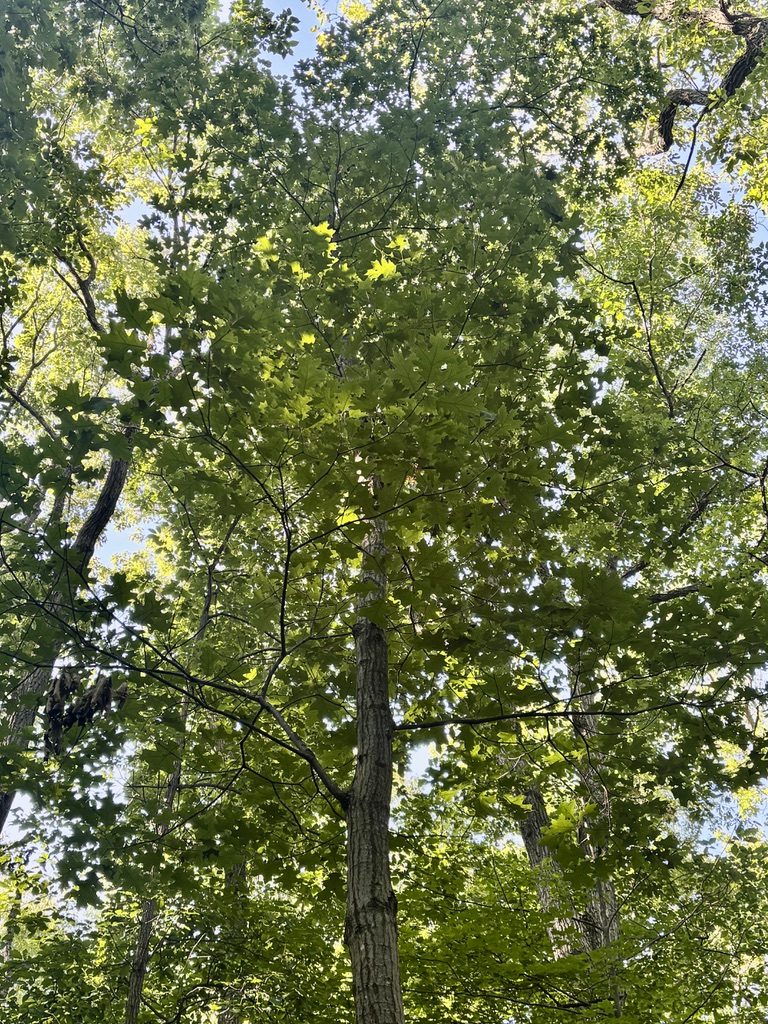
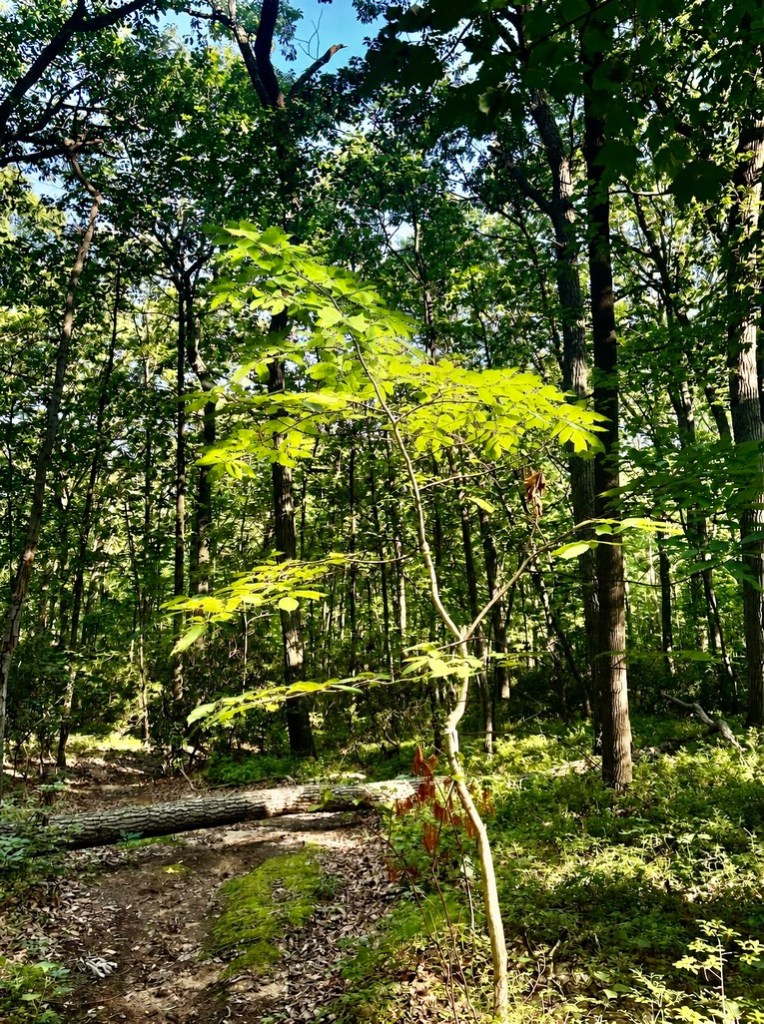
Visitors to Scudder Preserve can also encounter American chestnut hybrids, offering hope for one of North America’s most iconic tree species. Once a dominant presence throughout eastern forests, the American chestnut was nearly wiped out by chestnut blight in the early twentieth century. Hybrid saplings identified at Scudder Preserve may possess greater resilience to the disease, contributing to ongoing restoration efforts.
Perhaps the preserve’s most celebrated resident of Scudder Preserve is the magnificent 202-year-old tulip tree, officially recognized as the second-largest tulip tree in New Jersey. Certified as a Signature Tree through the New Jersey Big and Heritage Tree Program, this remarkable specimen began growing around 1824 and has stood watch over the landscape for more than two centuries. Its impressive size and longevity helped distinguish Scudder Preserve during the arboretum accreditation process.
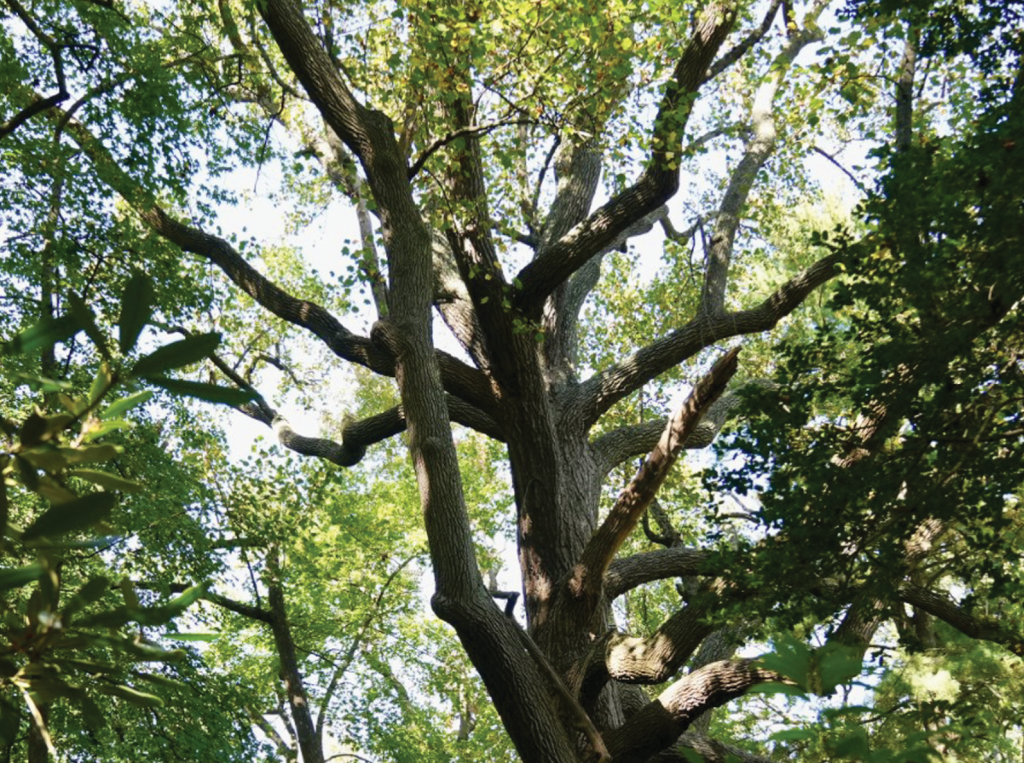
Trees are often measured by their height, age, or trunk diameter, but their greatest value extends beyond those numbers. Trees filter our air, stabilize our soils, provide habitat for wildlife, and connect generations through the landscapes they shape. Scudder Preserve’s arboretum designation reflects MCF’s commitment to protecting these extraordinary trees while creating opportunities for the public to learn from and enjoy them forever.
We invite you to visit Scudder Preserve, explore this newly accredited arboretum, and experience these remarkable trees for yourself. Every visit offers a chance to appreciate the beauty, resilience, and importance of New Jersey’s forests.